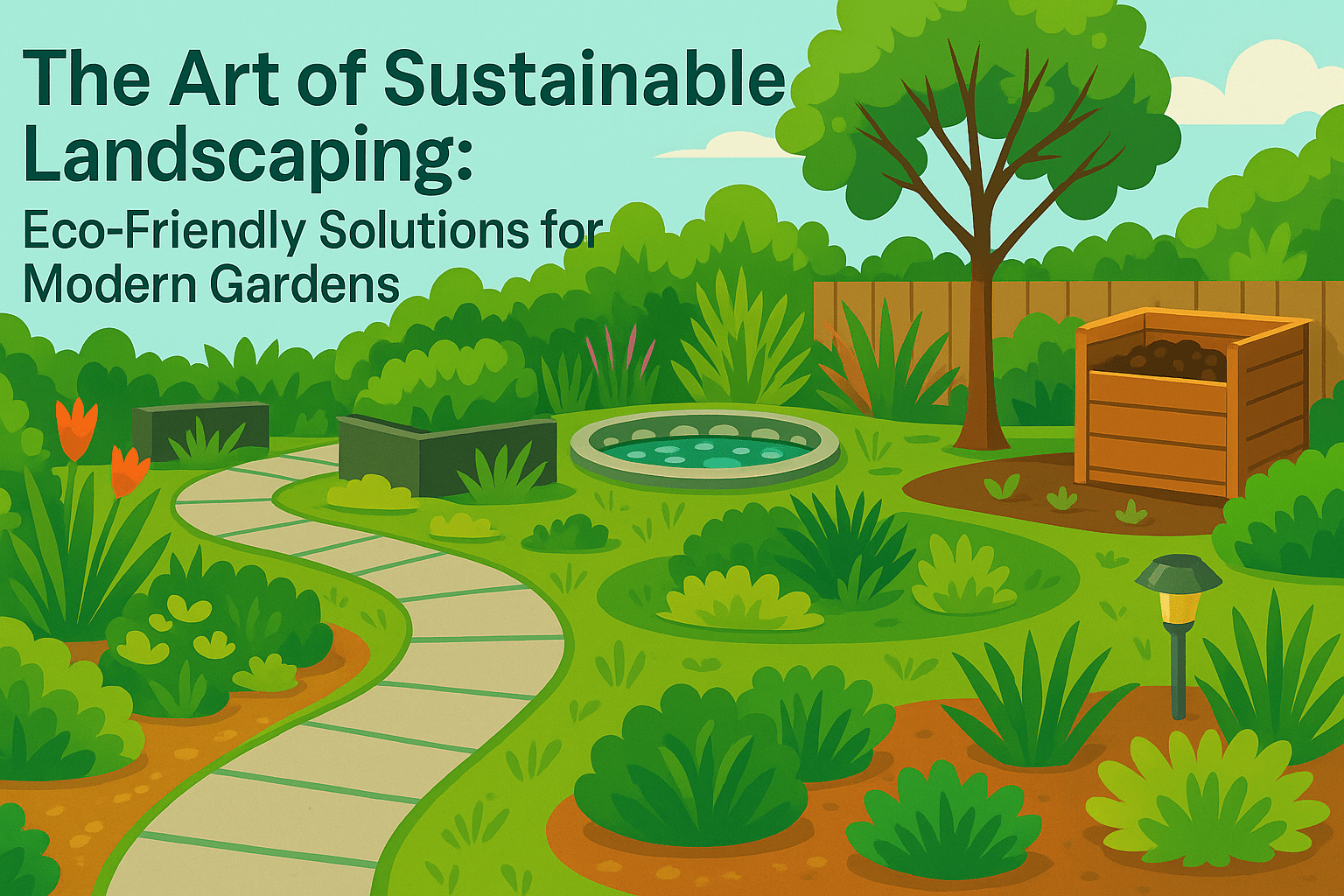

Designing a beautiful and thriving landscape in North Carolina starts with choosing the right plants for your region’s unique climate and soil. From the cool mountain zones to the warm coastal plains, selecting native and adaptable species ensures long-lasting beauty, low maintenance, and sustainability. This guide helps you discover the best plants and smart landscaping tips to create a stunning North Carolina garden year-round.
North Carolina’s diverse climate—from the cool Appalachian Mountains to the warm coastal plains—offers endless opportunities for unique landscaping. Choosing the perfect plants for your landscape depends on understanding your region’s environment, soil conditions, and sunlight exposure.
The right selection not only enhances your home’s curb appeal but also supports local wildlife and conserves water. Whether you’re designing a lush backyard garden or a low-maintenance front yard, plant selection plays a vital role in creating harmony between aesthetics and sustainability.
By combining native North Carolina plants, perennials, and ornamental shrubs, you can enjoy year-round color and texture. With a little planning and knowledge, your garden can thrive in all seasons while reducing maintenance costs.
Before planting, it’s essential to understand North Carolina’s USDA Hardiness Zones (6a–8b), which determine which plants can survive in your area.
Key points to consider:
Selecting plants suited to your specific zone ensures longevity and healthy growth. Consider factors like rainfall, frost dates, and soil type, as these vary dramatically across the state. Native plants are particularly adaptable, making them the best foundation for any North Carolina landscape design.
Native plants are the cornerstone of eco-friendly landscaping. They naturally adapt to local climates, resist pests, and require less water and fertilizer than exotic varieties. In North Carolina, options like Black-Eyed Susans, Carolina Jessamine, and Eastern Redbud trees thrive effortlessly.
Choosing native plants not only saves time and money but also promotes biodiversity. These species provide food and shelter for native pollinators, butterflies, and birds, enhancing your garden’s ecosystem. Moreover, native landscapes are resilient against droughts and heavy rains, reducing the need for constant upkeep.
When designing your landscape, mix grasses, shrubs, and flowering perennials to achieve balance and texture. Over time, your garden will develop a natural beauty that supports both sustainability and local wildlife.
Understanding your property’s sunlight exposure and soil composition is vital before choosing plants. Some areas may receive full sun all day, while others are shaded by trees or buildings. For example, plants like lavender, coneflowers, and daylilies thrive in sunny spots, whereas hostas and ferns prefer shade.
Conducting a soil test helps determine pH levels, nutrient content, and drainage capacity. North Carolina soils can range from sandy along the coast to clay-heavy in the Piedmont region. You can improve poor soil with compost and organic matter, ensuring better water retention and root development.
Matching your plant choices with your site’s natural conditions ensures healthier growth, lower maintenance, and a thriving landscape that lasts year-round.
A well-balanced landscape design combines beauty and practicality. When selecting plants, think beyond appearance and consider how they’ll serve your space.
Tips for functional plant selection:
Consider plant height, texture, and growth patterns to maintain visual harmony. Integrating a mix of trees, shrubs, and perennials provides depth and contrast while reducing maintenance. By balancing form and function, you’ll create a North Carolina garden that’s both inviting and environmentally responsible.
With changing weather patterns, drought-resistant landscaping is gaining popularity. Many North Carolina homeowners now prefer plants that require minimal watering and upkeep. Species such as yaupon holly, lantana, rosemary, and ornamental grasses are excellent choices for water-efficient gardens
Low-maintenance plants not only save water but also reduce your dependence on fertilizers and pesticides. They’re ideal for busy homeowners who want a beautiful yard without constant attention. Mulching around plants helps retain soil moisture and prevents weeds, further reducing effort.
By choosing plants suited for dry conditions, you’ll ensure that your landscape design remains lush and healthy throughout North Carolina’s hot summers.
A vibrant landscape offers changing colors, textures, and scents through every season. Plan your plant selection to ensure continuous interest. Spring bloomers like dogwoods and azaleas provide early color, while summer plants like daylilies and butterfly bushes keep the garden lively.
In autumn, maples, asters, and goldenrods add rich hues, while evergreens keep your garden visually appealing in winter. Layering plants by bloom time, height, and texture ensures balance and beauty.
With the right mix, your North Carolina garden will remain eye-catching no matter the season, creating a space that evolves naturally throughout the year.
Landscaping in North Carolina can also support local wildlife habitats. Choosing nectar-rich flowers, berry-producing shrubs, and seed-bearing plants attracts bees, butterflies, hummingbirds, and songbirds.
Native plants like coral honeysuckle, coneflower, and Joe-Pye weed are particularly effective at attracting pollinators. Providing birdbaths, feeders, and small water features enhances biodiversity and keeps your garden lively.
Avoid chemical pesticides, as they can harm beneficial insects and disrupt your garden’s ecosystem. A wildlife-friendly landscape not only supports nature but also creates a serene and balanced environment for homeowners to enjoy.
Even the best-designed garden requires ongoing care. Regular pruning, mulching, and watering schedules help maintain plant health and prevent disease. Monitor for pests and remove dead or damaged growth to encourage new blooms.
In North Carolina’s humid climate, pay attention to proper spacing for air circulation to reduce fungal issues. Seasonal maintenance—like fertilizing in spring and protecting roots in winter—ensures that your plants thrive year after year.
With consistent care, your North Carolina landscape will remain vibrant, sustainable, and a source of pride for years to come.
Choosing the perfect plants for your North Carolina landscape is about blending beauty, function, and sustainability. By understanding your region’s climate, selecting native and drought-tolerant species, and planning for year-round appeal, you’ll create an outdoor space that’s both practical and stunning.
Whether you’re a new homeowner or a seasoned gardener, thoughtful plant selection can transform your yard into a living masterpiece. Embrace North Carolina’s natural diversity, and let your garden reflect the spirit of the state—rich, resilient, and full of life.
Need expert help choosing the right plants for your North Carolina garden? Contact us today for a personalized landscape consultation!
Some of the best plants for North Carolina include azaleas, dogwoods, black-eyed Susans, coneflowers, hydrangeas, and ornamental grasses. These plants thrive in the state’s diverse climate and add year-round beauty to your garden.
Native plants are naturally adapted to North Carolina’s soil and weather conditions. They require less maintenance, conserve water, and support local pollinators and wildlife—making your landscape more sustainable.
You can find your USDA Hardiness Zone based on your location:
Knowing your zone helps you choose plants that can thrive in your region’s temperature range.
Low-maintenance plants include rosemary, lantana, yaupon holly, butterfly bush, and hostas. These varieties are drought-tolerant and pest-resistant, making them ideal for busy homeowners.
Conduct a soil test to check pH and nutrients. Mix in organic compost, mulch, or peat moss to improve drainage and fertility. Adjusting soil conditions helps roots establish faster and promotes healthy plant growth.
To attract bees, butterflies, and hummingbirds, plant bee balm, milkweed, coral honeysuckle, and Joe-Pye weed. These nectar-rich flowers support pollinators and add vibrant color to your landscape.
Choose a mix of spring bloomers (azaleas, tulips), summer perennials (daylilies, lavender), autumn plants (asters, goldenrods), and evergreens for winter greenery. This seasonal variety ensures beauty throughout the year.
Coastal gardens benefit from salt-tolerant plants like palmettos, crape myrtles, sea oats, and wax myrtle. These varieties can handle sandy soils and humid conditions common along the coast.
Water deeply 1–2 times per week, depending on the weather. Early morning watering helps prevent evaporation. Drought-tolerant species may need less frequent watering once established.
Popular trends include native plant gardens, pollinator-friendly landscapes, xeriscaping, and sustainable irrigation systems. Homeowners are also integrating edible plants and outdoor living spaces for beauty and practicality.
Discover how to choose the perfect plants for your North Carolina landscape. Learn climate tips, native species, and expert garden
Have you worked with Smith & Lloyd Landscaping? We’d love to hear about your experience and share it with future customers.

Tell us about your project and we’ll provide a detailed estimate within 24 hours.
Ready to transform your outdoor space?
Get a free quote today • Licensed & insured