
Sustainable landscaping blends beauty with environmental responsibility, creating gardens that thrive naturally while conserving resources. By using native plants, organic methods, and smart irrigation, you can design an outdoor space that’s eco-friendly, low-maintenance, and visually stunning. This modern approach not only supports biodiversity and soil health but also reduces your carbon footprint, transforming your garden into a harmonious, sustainable retreat for both people and nature.
Sustainable landscaping represents a thoughtful approach to designing outdoor spaces that benefit both people and the planet. Unlike traditional landscaping, which often relies heavily on chemical fertilizers, excessive water use, and non-native plants, sustainable design focuses on balance and conservation. It encourages the use of natural processes and materials to create beautiful, functional, and eco-friendly gardens that require minimal maintenance.
In today’s climate-conscious world, homeowners are increasingly seeking ways to make their outdoor spaces more environmentally responsible. Through practices such as native planting, organic gardening, and water-efficient irrigation, sustainable landscaping transforms your garden into a self-sustaining ecosystem.
Beyond its environmental benefits, it also improves soil health, supports local wildlife, and reduces long-term costs. Adopting this mindful approach helps preserve biodiversity and contributes to a cleaner, greener planet, one garden at a time.
Creating an eco-friendly landscape starts with understanding the foundational principles that promote harmony between design and nature. These principles ensure that every element in your garden works together sustainably and efficiently. Below are key guidelines to follow:
Each of these steps helps reduce environmental impact while creating a low-maintenance garden that thrives naturally. By designing with sustainability in mind, you conserve resources, promote biodiversity, and foster a landscape that benefits both people and the planet.
Native and drought-tolerant plants are at the heart of sustainable landscaping. They are perfectly adapted to local climates, requiring minimal watering, fertilizing, and pest control. Examples include lavender, sage, succulents, and ornamental grasses, which thrive in various soil types and add visual texture to your garden.
These plants not only conserve water but also create habitats for pollinators like bees and butterflies, supporting the ecological balance. Their deep root systems help prevent soil erosion and improve soil health over time. By reducing dependence on imported plants, you also minimize the carbon footprint associated with transportation and maintenance.
Choosing native species ensures year-round beauty with less effort, allowing your garden to evolve in tune with the natural environment. It’s a simple yet powerful way to embrace sustainability while adding resilience and charm to your outdoor space.
Water scarcity is one of today’s most pressing environmental issues, making water-efficient landscaping essential. Sustainable gardens focus on smart irrigation methods that deliver the right amount of water exactly where it’s needed. Drip irrigation systems, for instance, minimize evaporation and direct water to plant roots efficiently. Rain sensors and timers can further automate this process, reducing waste.
Another effective technique is rainwater harvesting, collecting and storing rainwater for garden use. Pairing this with permeable paving allows rain to seep naturally into the soil, replenishing groundwater levels. Additionally, mulching around plants retains moisture, reduces evaporation, and suppresses weed growth.
By integrating these water-saving strategies, you not only lower your utility bills but also create a more resilient and climate-friendly garden that can thrive even during dry seasons.
Sustainable landscaping extends beyond plant choices; it also involves selecting environmentally responsible materials and designs that minimize waste. When planning your garden, consider these eco-conscious options:
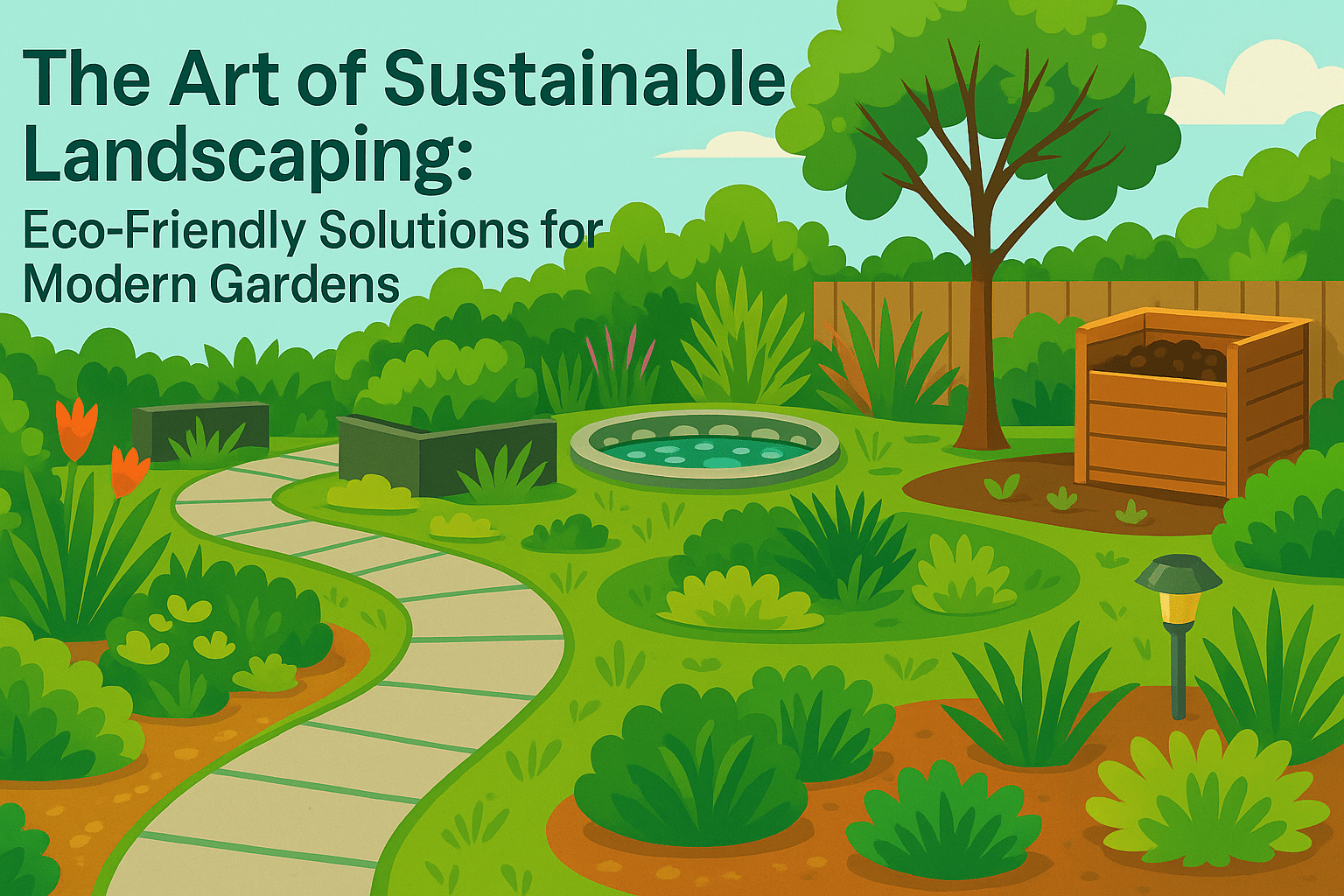
Beyond materials, design plays an important role. Incorporate curved pathways, layered plant beds, and natural shade structures that complement the environment. Eco-friendly garden design not only reduces your carbon footprint but also creates a serene, timeless atmosphere that invites relaxation and connection with nature.
A truly sustainable garden thrives on biodiversity. The greater the variety of plants, insects, and animals in your outdoor space, the more balanced and resilient the ecosystem becomes. Start by planting a mix of flowers, shrubs, and trees that bloom throughout the year to attract pollinators like bees, butterflies, and hummingbirds.
You can also include water features such as small ponds or birdbaths, which encourage frogs and birds to visit. Avoid using pesticides and instead rely on natural pest control methods such as companion planting. By offering food, shelter, and nesting spots, your garden can become a sanctuary for local wildlife.
This interconnected system not only supports the environment but also adds color, texture, and vitality to your landscape—turning your garden into a living, breathing work of art.
Healthy soil is the foundation of every sustainable garden. Organic gardening practices focus on nurturing soil life through natural methods rather than relying on synthetic fertilizers or chemicals. Start by enriching your soil with compost, manure, or leaf mulch to improve its texture and nutrient content.
Compost enhances microbial activity, which boosts plant growth and water retention. Crop rotation and companion planting can further maintain soil fertility and reduce pest problems. Instead of pesticides, consider natural repellents like neem oil or beneficial insects such as ladybugs.
When your soil is alive and healthy, your plants become more resilient, requiring fewer resources to thrive. This approach not only promotes environmental well-being but also ensures your garden remains productive and sustainable for years to come.
Waste reduction is an essential component of sustainable landscaping. Recycle garden clippings, fallen leaves, and organic debris to create nutrient-rich compost rather than sending them to landfills. Choose electric or manual lawnmowers over gas-powered ones to reduce carbon emissions.
Sourcing materials locally also minimizes transportation-related pollution while supporting regional businesses. Consider solar-powered lighting, motion sensors, and energy-efficient garden equipment to lower overall energy use.
Another effective strategy is planting trees strategically around your home to provide natural cooling and reduce air conditioning needs. These small actions collectively make a big difference—shrinking your carbon footprint while keeping your garden functional, beautiful, and environmentally responsible.
Modern technology plays a key role in advancing eco-friendly landscaping. Smart irrigation systems monitor soil moisture and automatically adjust watering schedules based on weather conditions, preventing waste. Solar-powered lighting systems and garden sensors reduce energy consumption while enhancing convenience.
Apps can now track soil health, plant growth, and even pest activity, helping homeowners make informed decisions. Automated composters and robotic mowers powered by renewable energy make garden maintenance easier and greener.
By combining innovation with sustainability, modern gardeners can enjoy the perfect blend of efficiency and ecology. Embracing these technologies not only simplifies maintenance but also ensures your garden stays aligned with environmental best practices.
Sustainable landscaping isn’t just a design trend; it’s a commitment to protecting our planet for future generations. By combining eco-friendly materials, native plants, and efficient water management, you can create an outdoor space that thrives naturally with minimal environmental impact.
This approach beautifies your surroundings while restoring balance to the local ecosystem. Every sustainable choice, whether it’s composting, using solar energy, or planting pollinator-friendly species, contributes to a healthier Earth.
As more homeowners embrace the art of sustainable landscaping, we move closer to a world where modern gardens don’t just look good, they do good. Your backyard can be a powerful example of how thoughtful design and environmental stewardship come together to build a greener, more sustainable future.
Ready to transform your garden into an eco-friendly oasis? Contact Us for discover sustainable landscaping solutions and start creating your green paradise today!
Sustainable landscaping is an eco-friendly approach to garden design that focuses on conserving natural resources, reducing waste, and supporting biodiversity. It uses native plants, organic materials, and efficient irrigation systems to create low-maintenance, environmentally responsible outdoor spaces.
Sustainable landscaping helps protect the environment by conserving water, improving soil health, and reducing pollution from chemicals. It also supports local wildlife and minimizes carbon emissions. Plus, it saves homeowners time and money through reduced maintenance costs.
Examples include planting native or drought-tolerant plants, using organic compost, installing drip irrigation systems, recycling yard waste, using solar garden lights, and replacing lawns with low-water ground covers. These practices promote long-term sustainability and reduce resource consumption.
You can make your garden water-efficient by installing smart irrigation systems, collecting rainwater, applying mulch to retain moisture, and planting drought-tolerant species. Avoid watering during peak sunlight hours to prevent evaporation and waste.
Native plants are naturally adapted to your region’s climate and soil, making them easier to grow with minimal water and fertilizer. They also attract pollinators, prevent soil erosion, and enhance local biodiversity—all key aspects of sustainable landscaping.
Organic gardening eliminates harmful chemicals, relying instead on compost, mulch, and natural pest control. This improves soil structure, promotes beneficial microorganisms, and creates a healthier environment for both plants and wildlife.
Yes, eco-friendly landscaping can boost property value by improving curb appeal, reducing maintenance costs, and appealing to environmentally conscious buyers. A sustainable garden also enhances comfort, energy efficiency, and long-term savings.
Opt for recycled or reclaimed materials such as wood, stone, or metal. Use permeable pavers for walkways, bamboo fencing, and solar-powered lighting. These choices reduce waste, promote natural drainage, and lower your carbon footprint.
Modern technology supports sustainability through smart irrigation systems, soil sensors, and solar-powered lighting. Apps can track soil health, water usage, and plant growth, helping you manage your garden efficiently while conserving energy and resources.
Begin by assessing your soil and climate conditions. Replace non-native plants with drought-resistant or native species, install a smart irrigation system, add compost, and reduce chemical use. Start small—each eco-friendly step brings you closer to a truly sustainable garden.
Explore the art of sustainable landscaping and discover eco-friendly solutions for modern gardens. Learn how to design green, low-maintenance outdoor
Have you worked with Smith & Lloyd Landscaping? We’d love to hear about your experience and share it with future customers.

Tell us about your project and we’ll provide a detailed estimate within 24 hours.
Ready to transform your outdoor space?
Get a free quote today • Licensed & insured